


.
One of the biggest misconceptions about AI-generated imagery is that the model doesn't matter.
Open any AI image generator and you can create hundreds of faces in minutes. Different ages. Different ethnicities. Different expressions. Different looks.
But here's the problem:
Generating a model isn't the same as casting one.
In traditional fashion, beauty, and advertising campaigns, casting is rarely random. Brands spend weeks selecting talent because the person in the image communicates something before a customer ever reads a headline.
The same principle applies when working with AI.
The technology can create a face.
The creative direction determines whether that face belongs in the story.
Why Casting Matters More Than Ever
When most people create AI campaigns, they focus on the environment, styling, lighting, or product.
Those things matter.
But before any of that, there should be a question:
Does this person belong in the world of the brand?
A luxury fashion brand and a wellness startup may target completely different audiences. The same model won't necessarily communicate the same message in both spaces.
Strong casting requires intention.
You should be thinking about:
Audience
Brand identity
Age
Ethnicity
Facial features
Personality
Market positioning
Emotional tone
Every decision shapes how people interpret the final image.
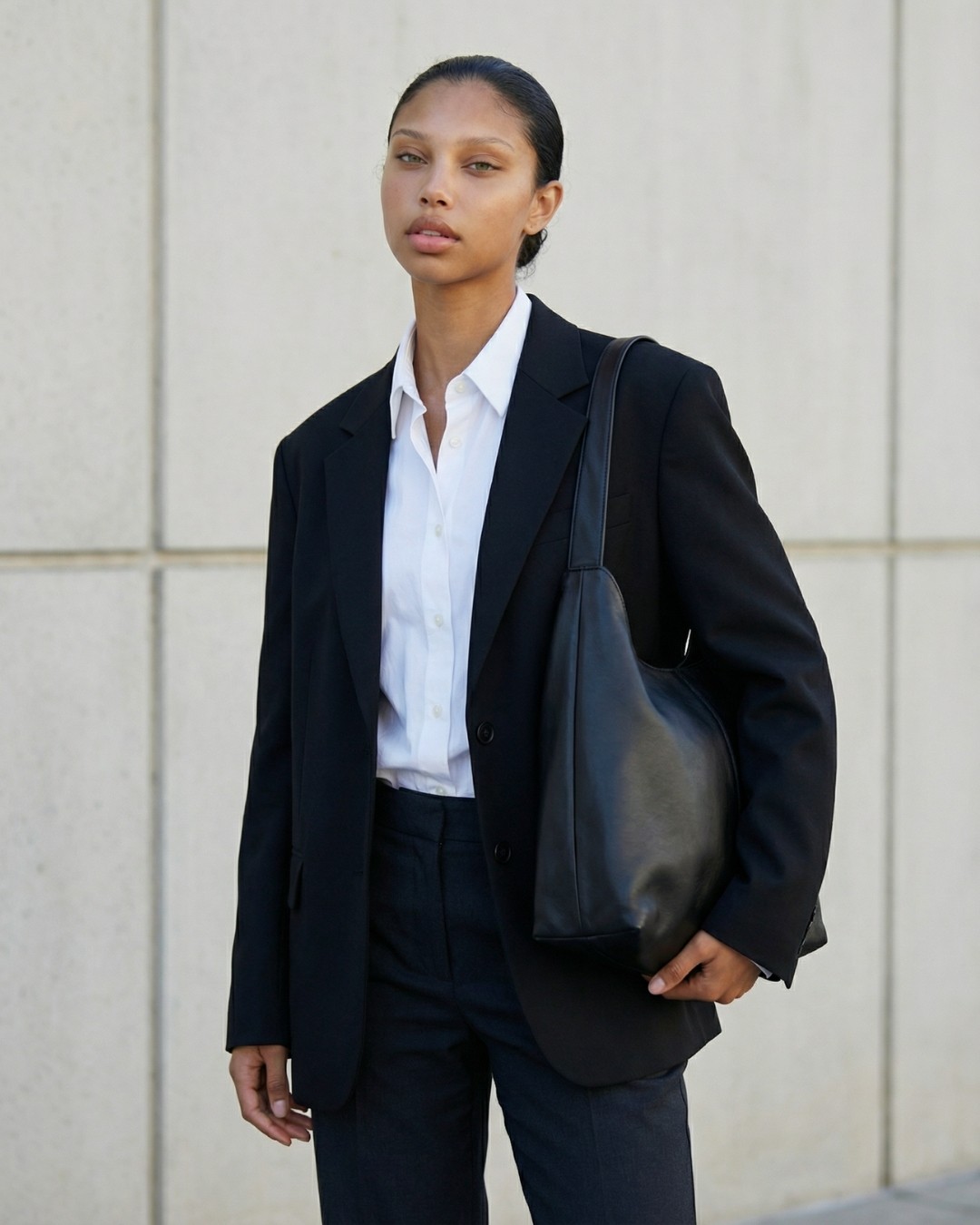
Meet Amara
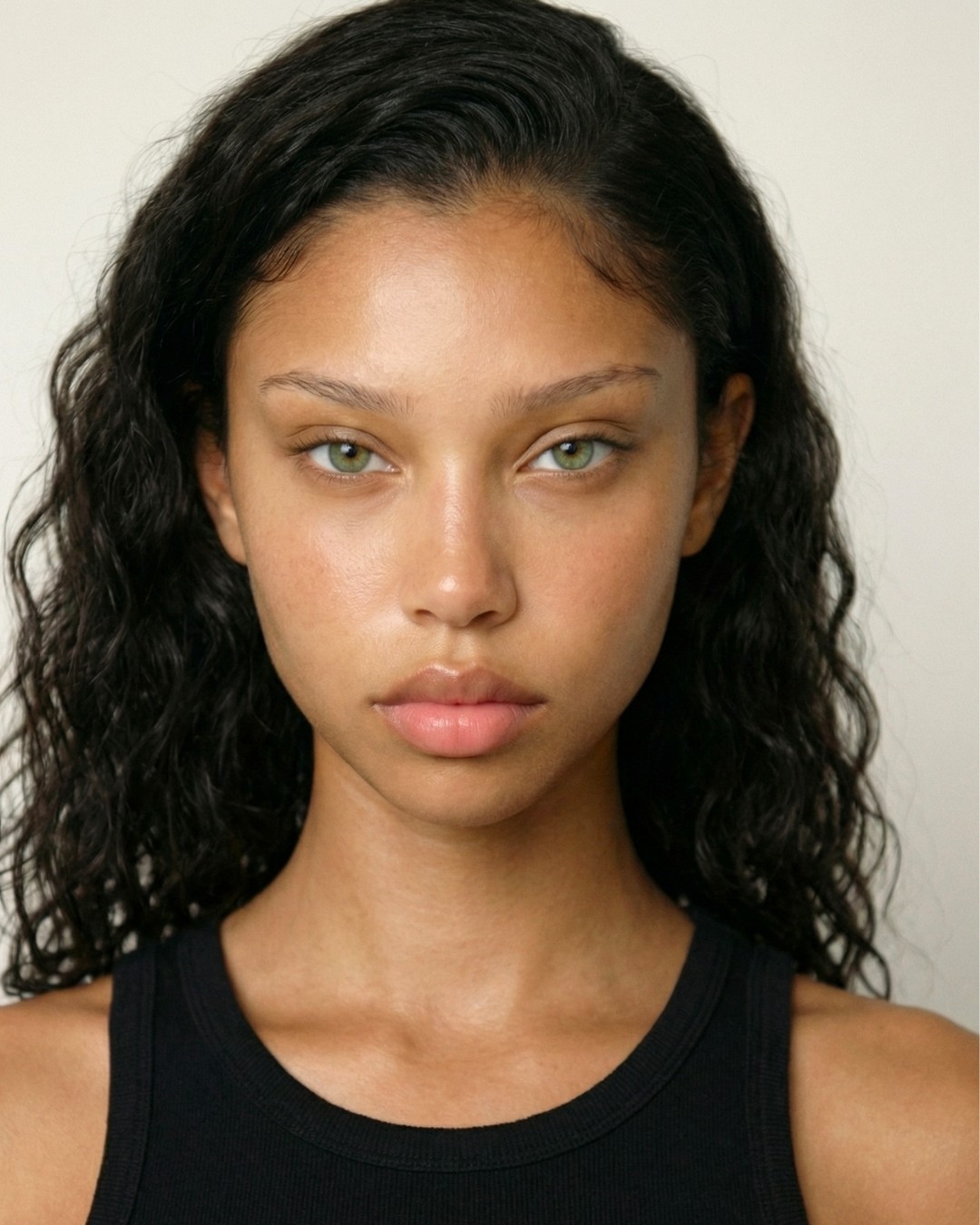
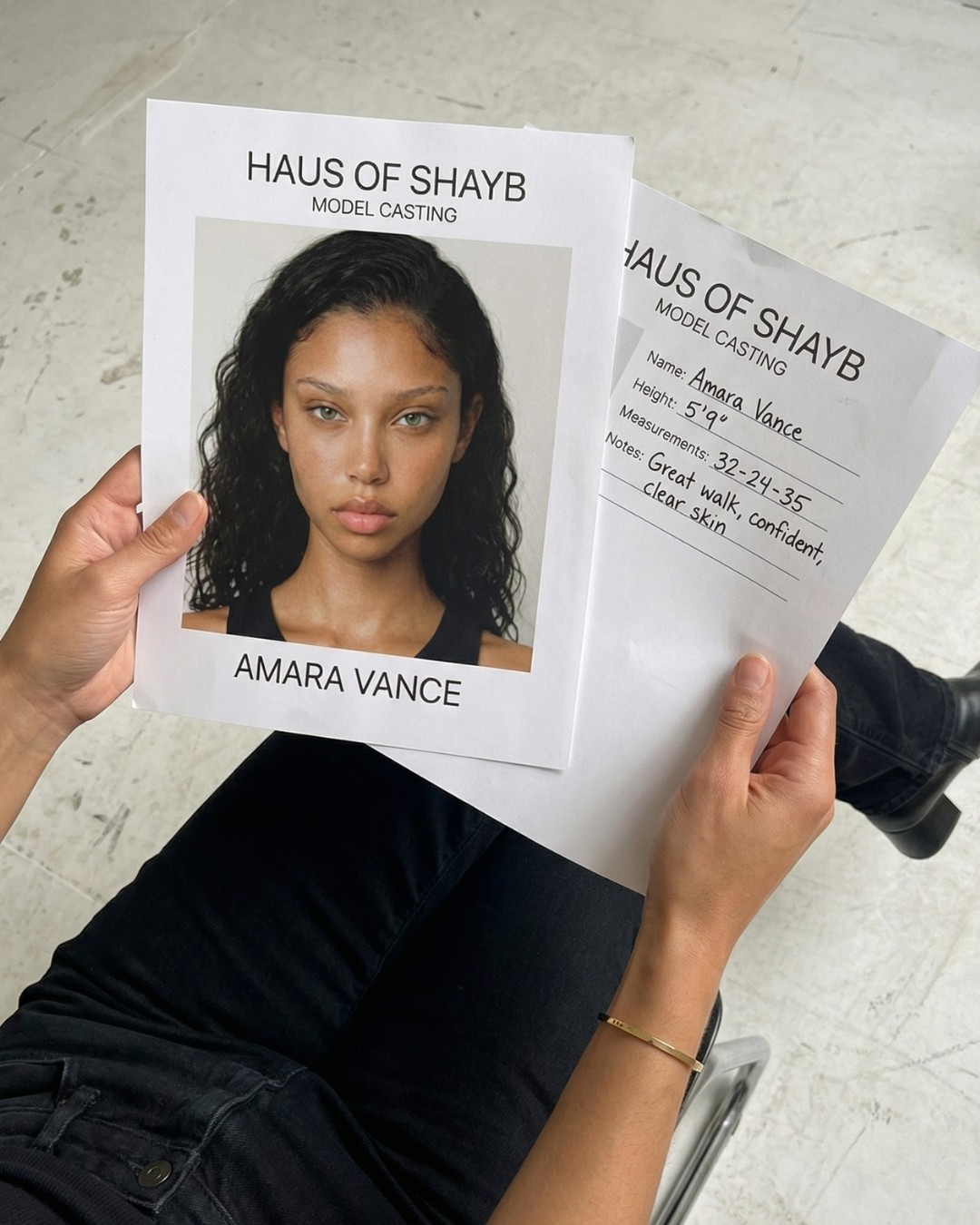
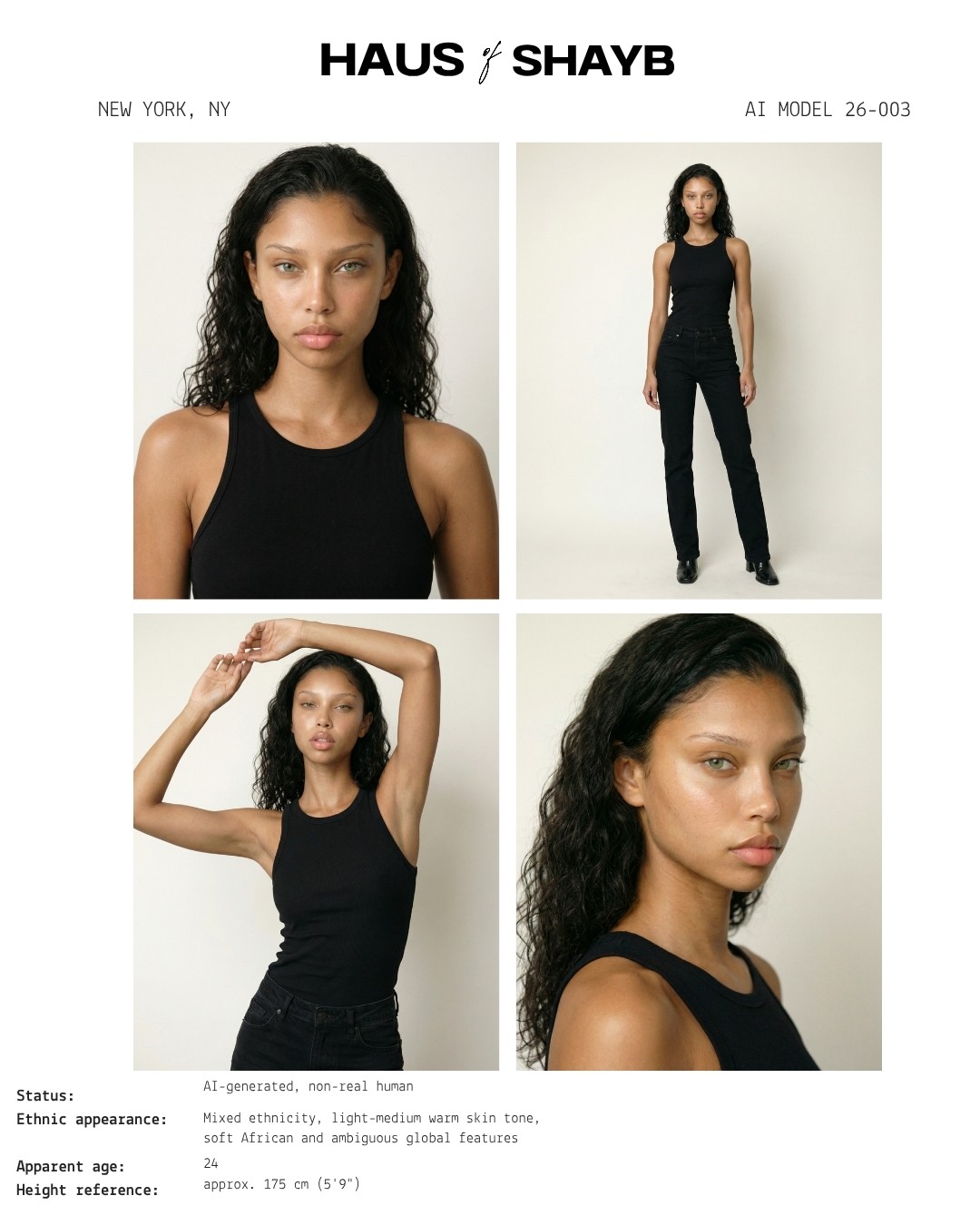
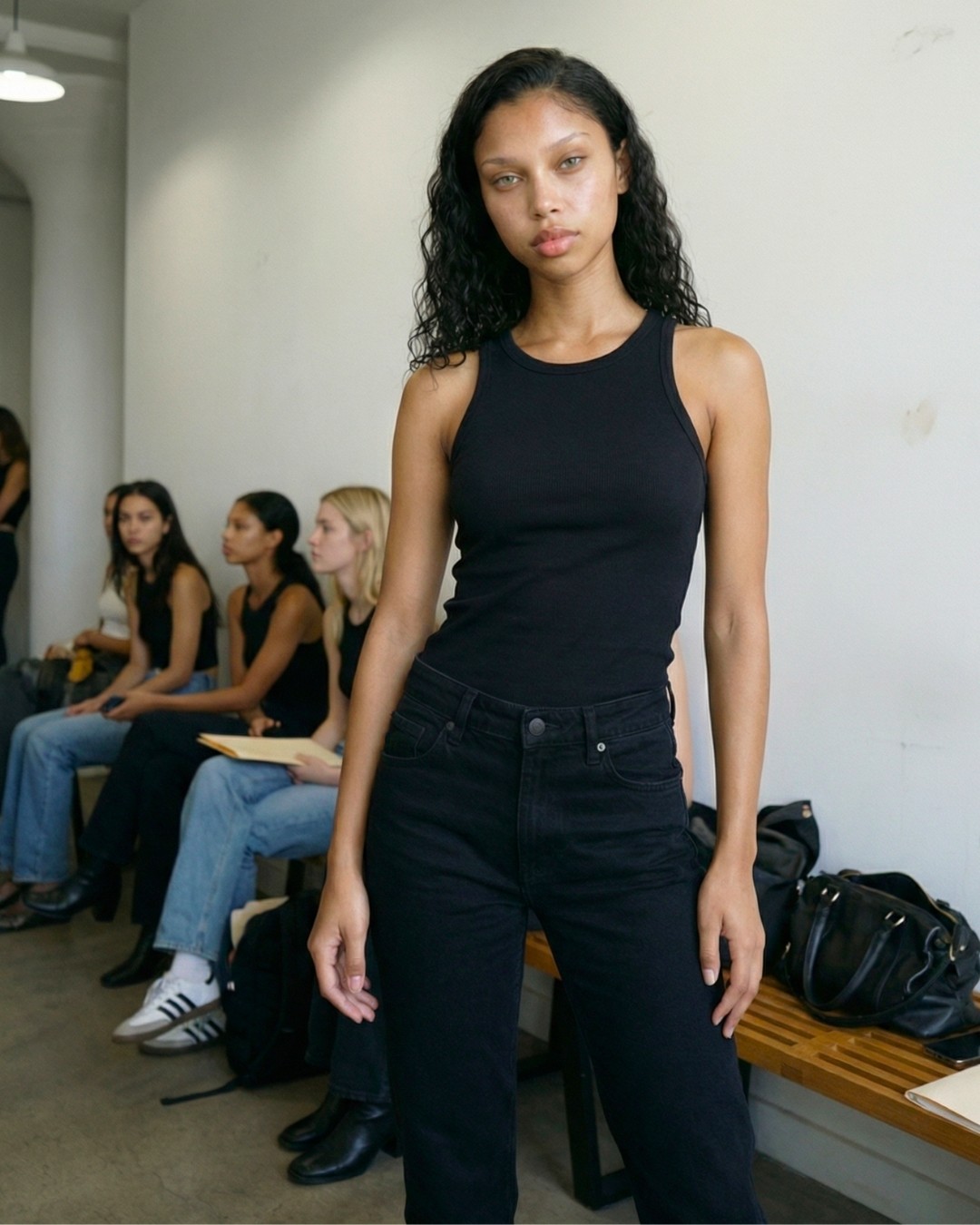
For this project, I created Amara Vance, an AI-generated model developed as an exercise in intentional casting.
Rather than generating random faces until something looked good, I approached the process the same way a casting director might approach a real campaign.
Questions included:
What brands would she naturally align with?
What audience would connect with her?
Does she feel commercial, editorial, luxury, or beauty-focused?
What role would she play within a campaign narrative?
The result wasn't just a model.
It was a character designed to fit a specific creative world.
The Difference Between a Model and a Campaign Face
A campaign face does more than look attractive.
They communicate something.
Some models project confidence.
Others feel approachable.
Some feel aspirational.
Others feel familiar.
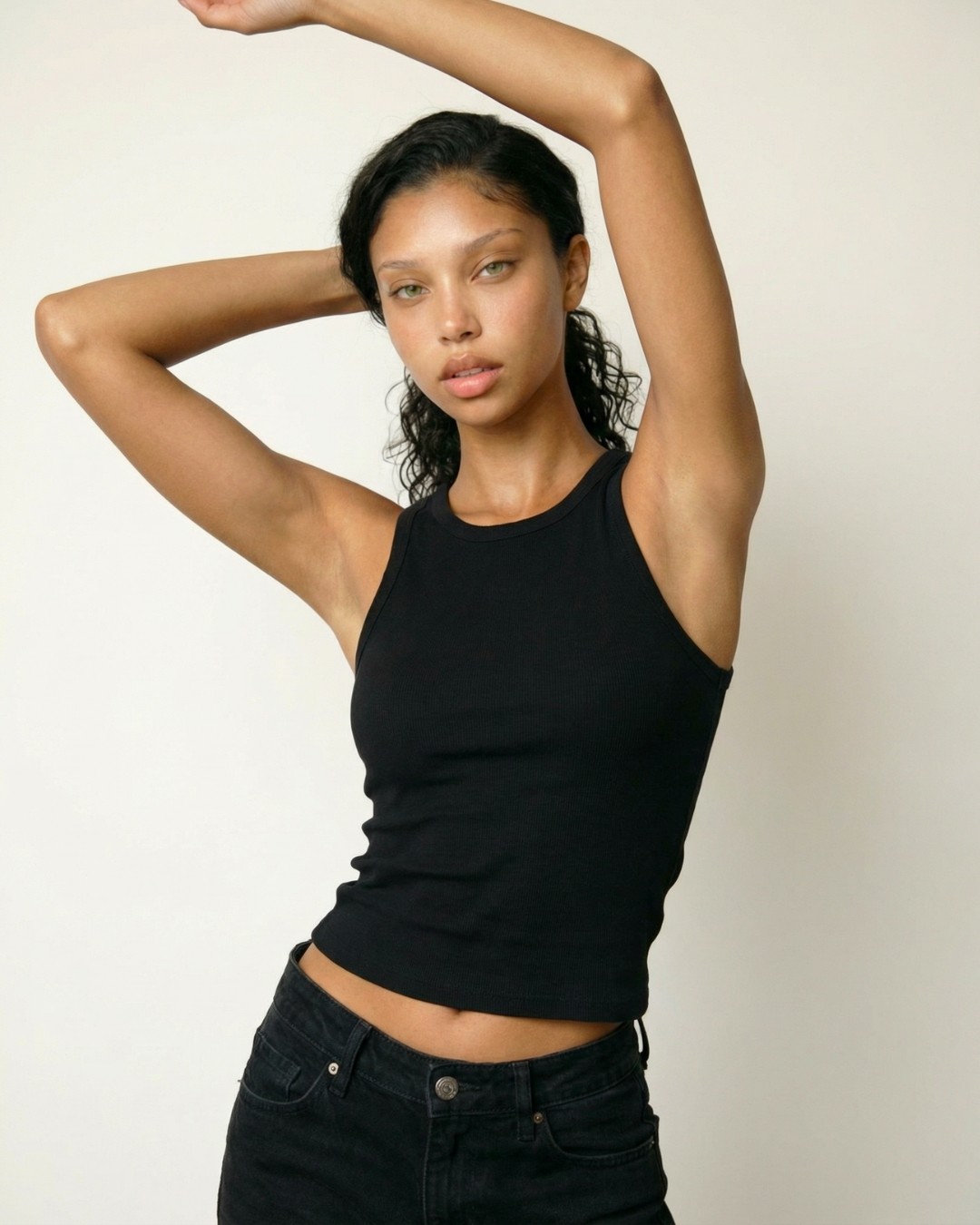
Amara's look naturally aligned with minimal luxury, elevated essentials, fragrance, and beauty campaigns. Her features, proportions, and overall presence supported a quieter, more refined visual language.
That's not an accident.
That's casting.
Building the World Around the Model
Once the casting decision was made, the creative direction became much easier.
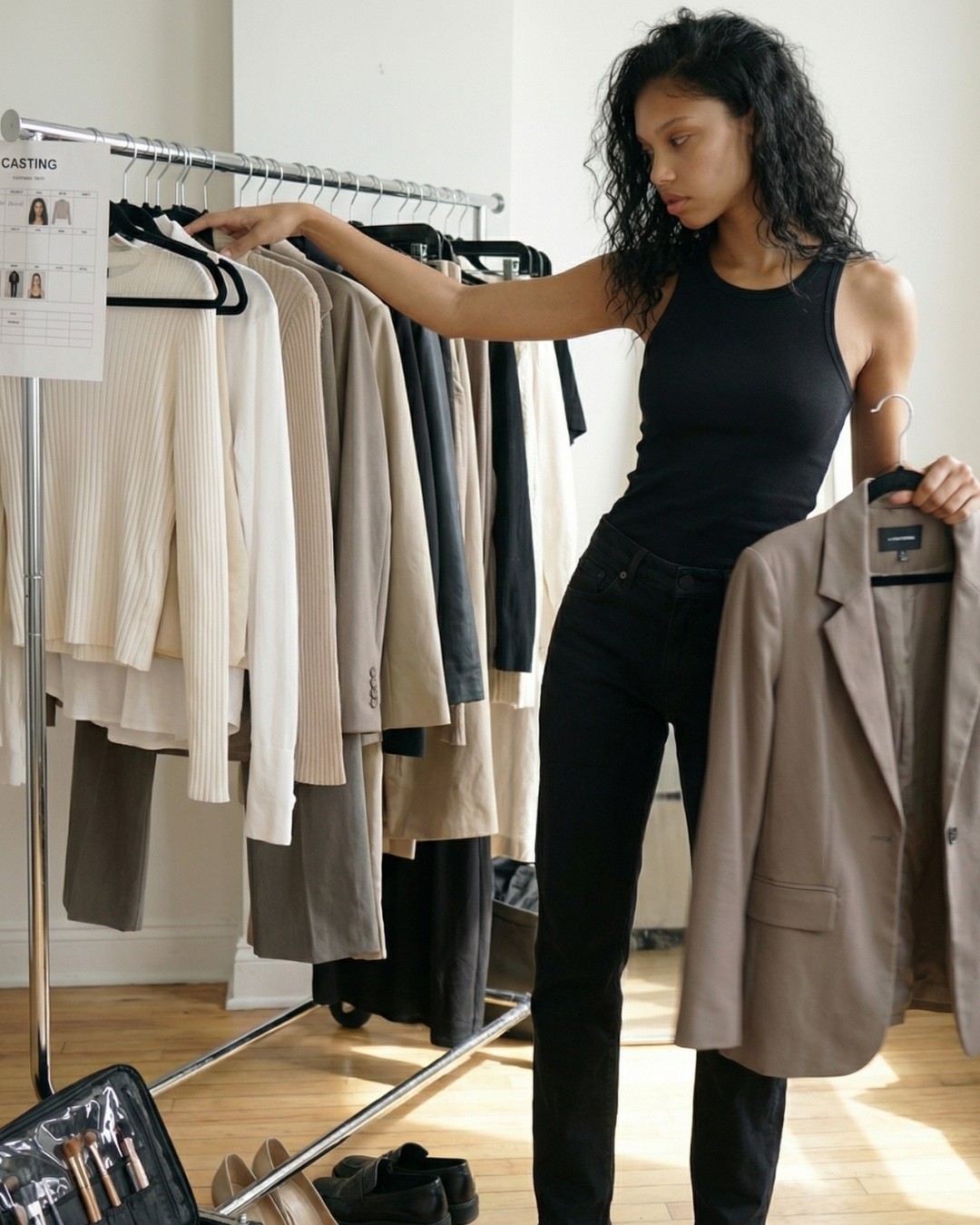
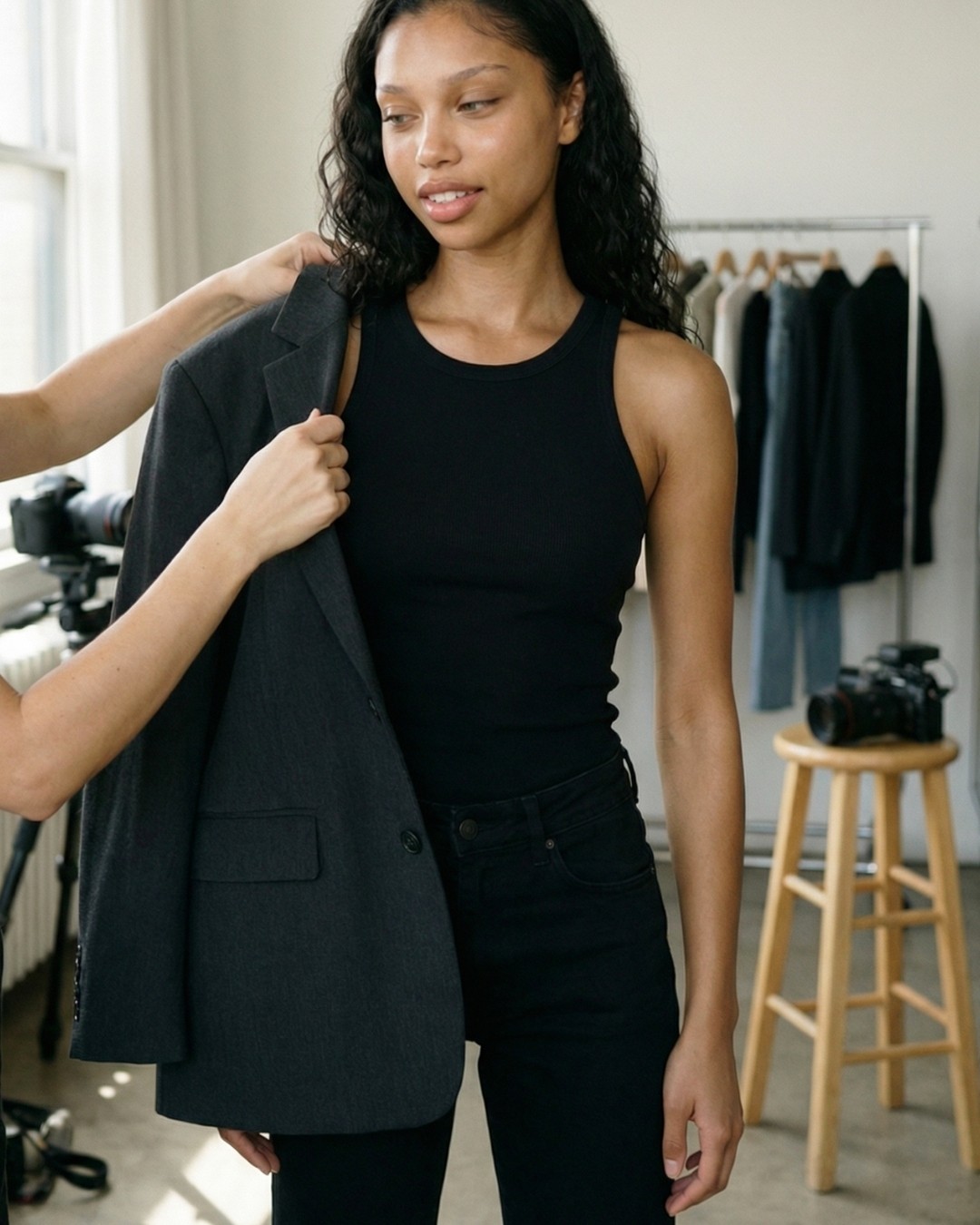
The wardrobe shifted toward clean silhouettes.
The environments became more minimal.
The lighting softened.
The imagery focused on presence rather than performance.
Every creative decision reinforced the same story.
Because strong campaigns aren't built from individual images.
They're built from consistency.
AI Doesn't Replace Creative Direction
One of the most exciting things about AI is the speed.
What once required casting calls, location scouting, production schedules, and significant budgets can now be explored in days instead of months.
But speed doesn't replace strategy.
The most successful AI campaigns still require:
Creative direction
Brand understanding
Casting decisions
Storytelling
Visual consistency
The tools have changed.
The fundamentals haven't.
Final Thoughts
The future of AI imagery isn't about generating more content.
It's about creating better content.
Anyone can create a face.
Anyone can generate a beautiful image.
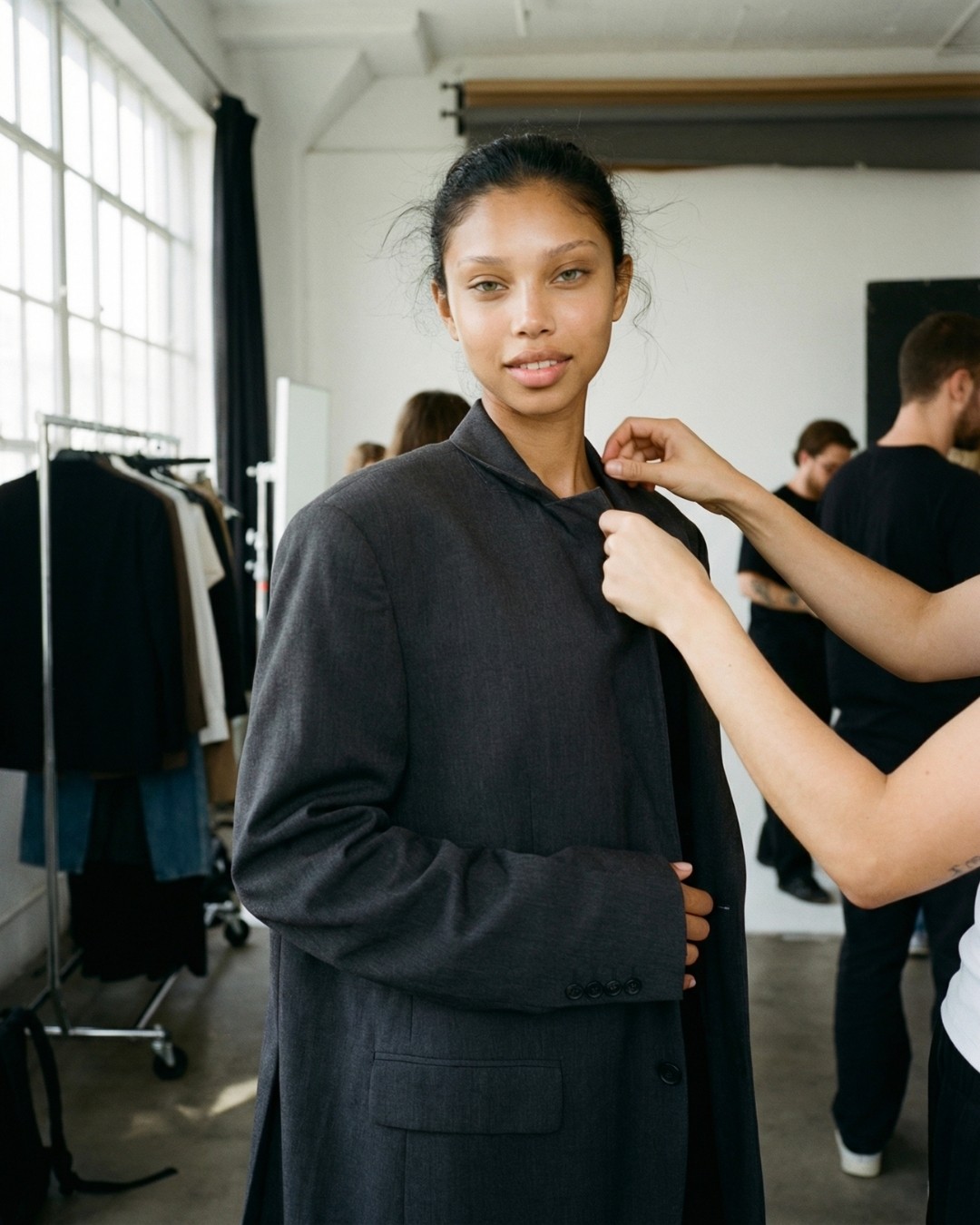
The real opportunity lies in understanding why a particular face belongs in a particular campaign and how every creative choice contributes to a larger story.
Because in the end:
AI can create a face.
But direction creates meaning.
Liked it? Share it with your people.


